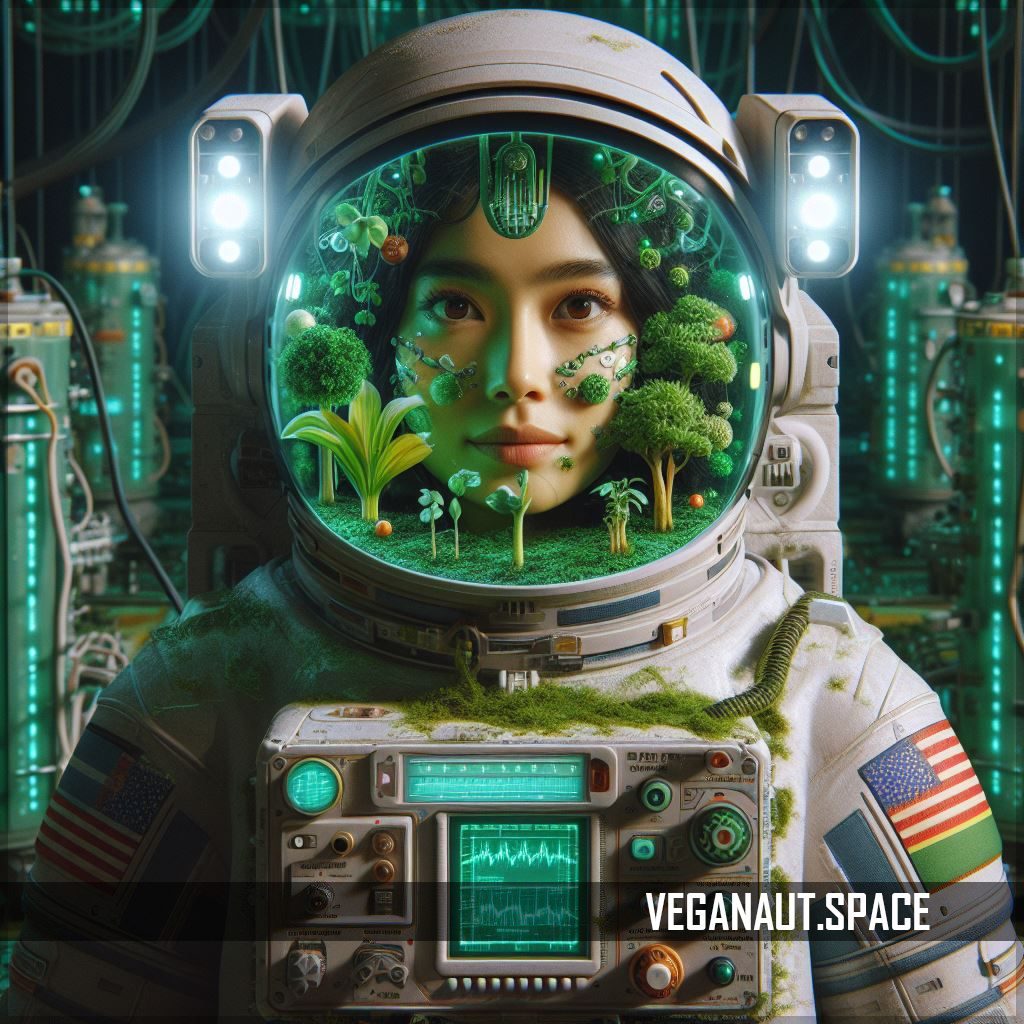
Parameters and Protocols for the Mission
The ALL VEGAN analog astronaut mission will be a rigorous and challenging endeavor, with strict parameters and protocols in place to ensure the safety of the crew and the success of the mission. The duration of the mission will be six weeks, during which time the crew will live and work in a simulated Mars Habitat on Earth. The crew size will be four individuals, carefully selected for their expertise and ability to work well in a team. The equipment used during the mission will be state-of-the-art, designed specifically for the unique challenges of space exploration.
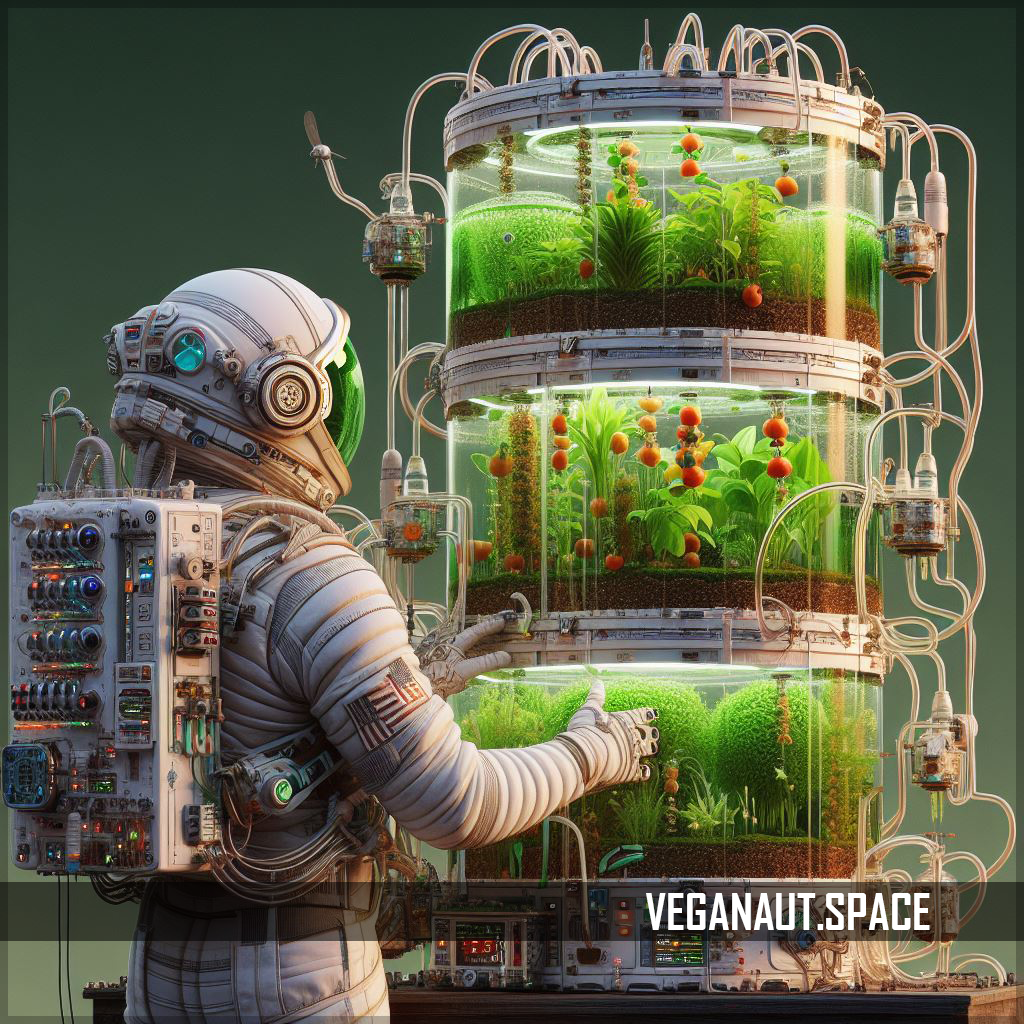
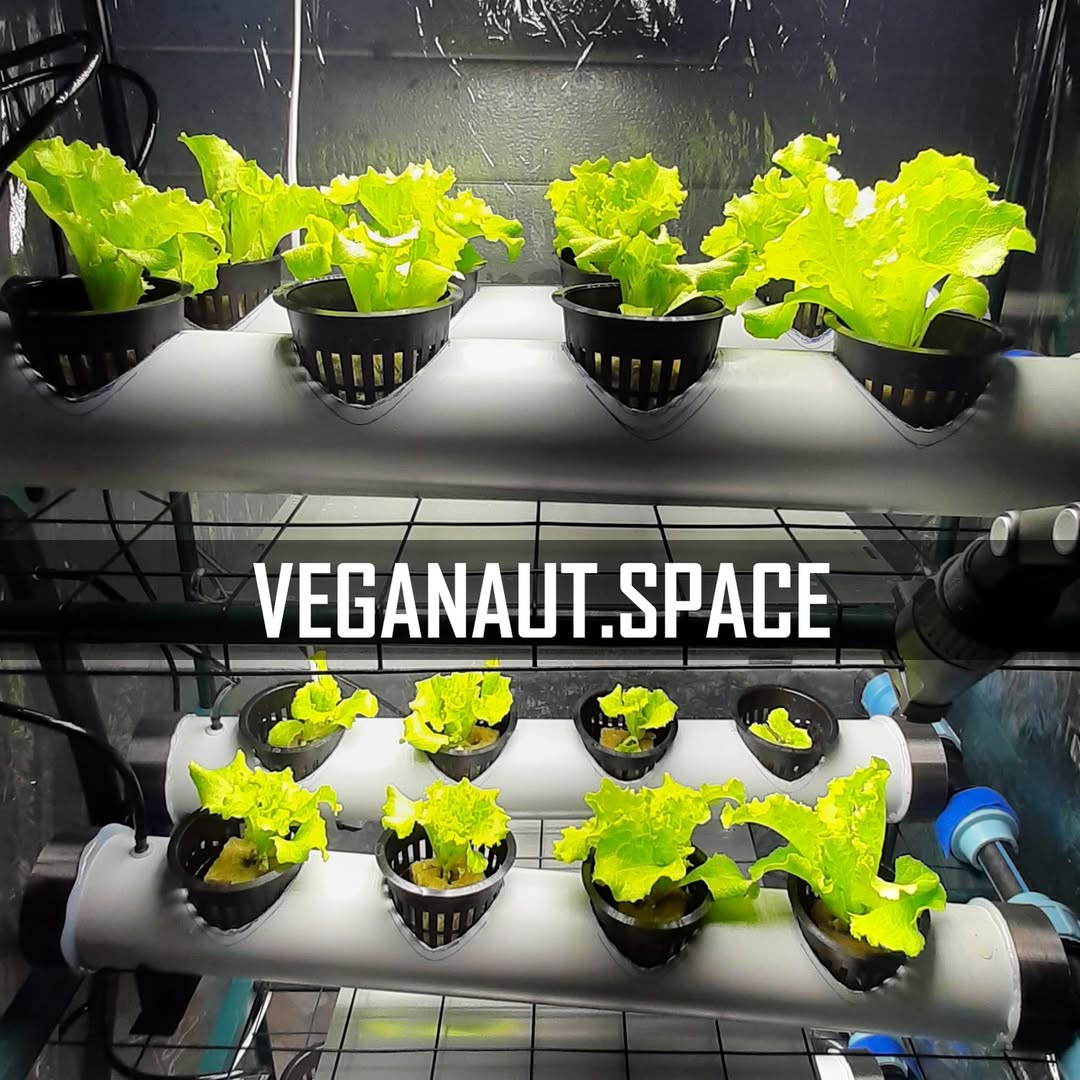
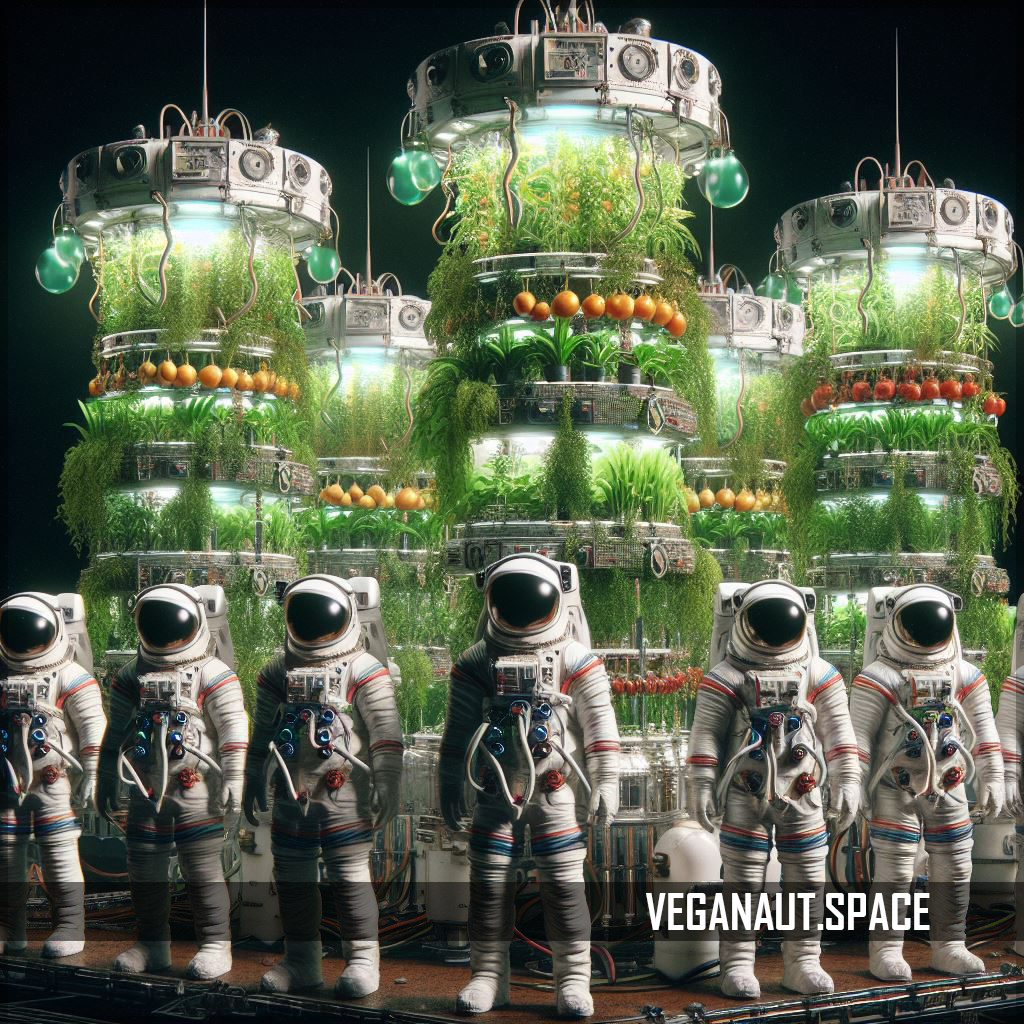
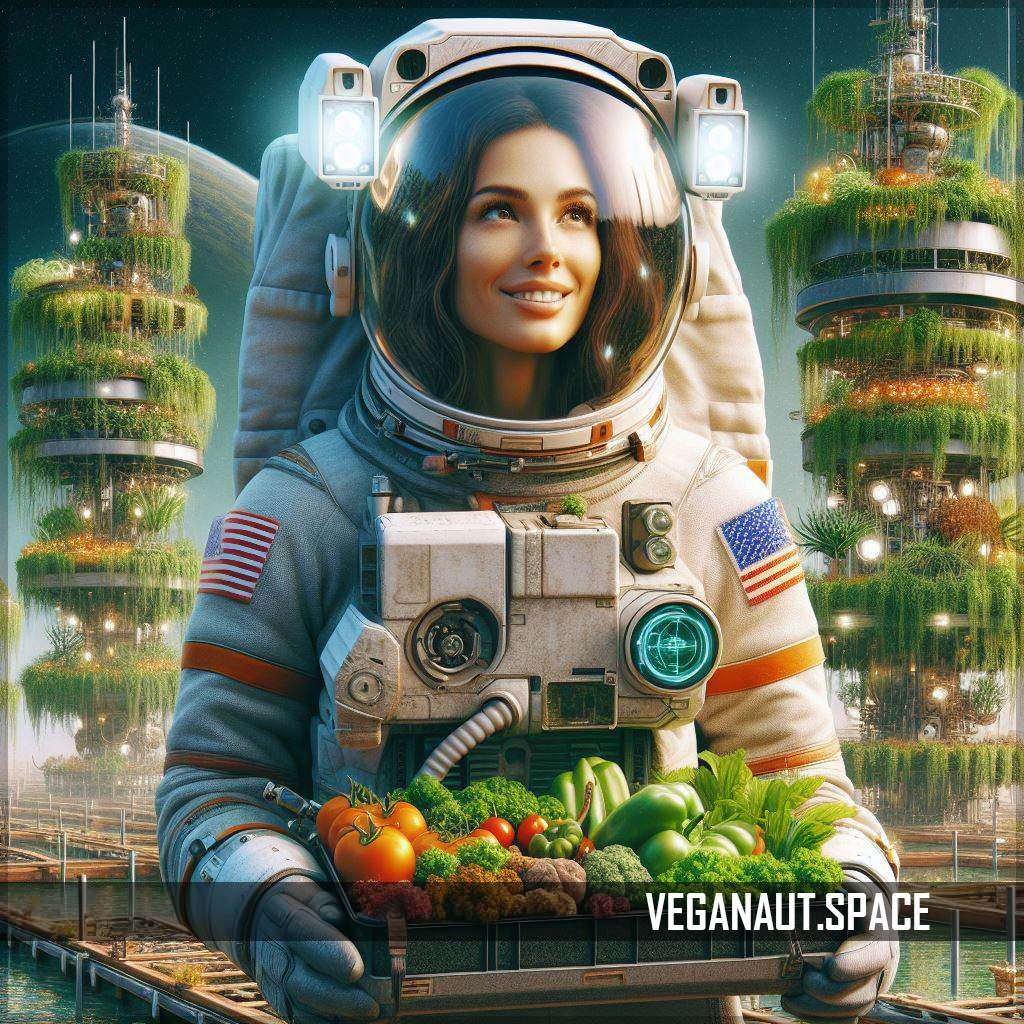
In addition to safety measures, ethical considerations will also be taken into account. The mission will be conducted in accordance with the principles of veganism, meaning that no animal products will be used or consumed during the mission. This includes food, clothing, and any other materials that may come into contact with the crew. The mission will also prioritize sustainability and self-reliance, using renewable energy sources and technologies such as vertical farming and hydroponics to produce food and other resources.
In the realm of space exploration and future Mars settlement, the importance of a plant-based diet cannot be overstated. As humanity ventures further into the cosmos, optimizing resources and ensuring the survival of both astronauts and the land they inhabit become paramount considerations. Embracing a plant-based diet offers a myriad of benefits that align closely with the objectives of space exploration and Mars settlement.
First and foremost, a plant-based diet is inherently more resource-efficient compared to traditional animal-based diets. Plant-based foods require significantly less water, land, and energy to produce, making them ideal candidates for space missions where resources are limited and must be carefully managed. By shifting towards plant-based diets, space agencies can reduce the logistical burden of transporting food supplies from Earth, thereby enabling longer-duration missions and more sustainable space exploration endeavors.
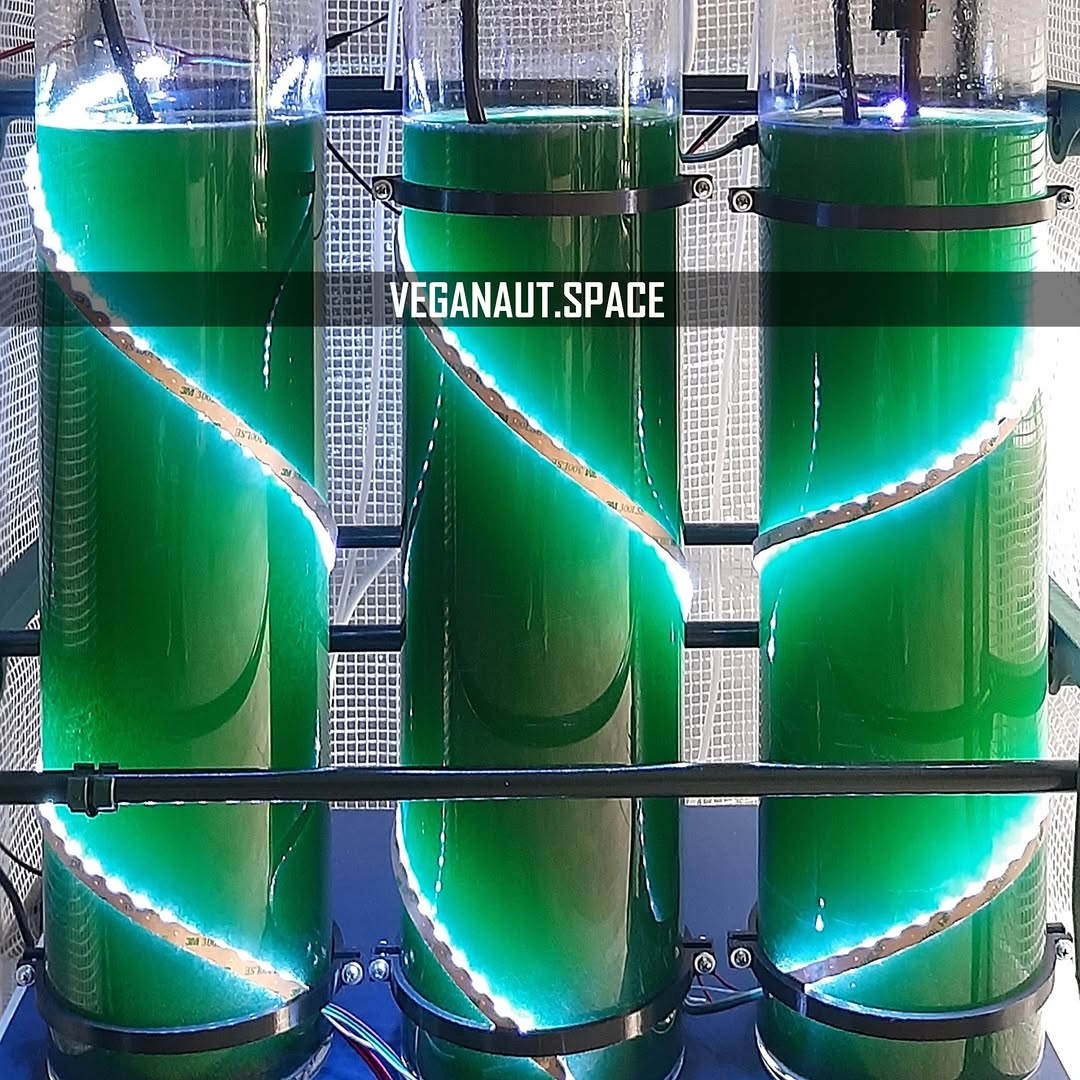
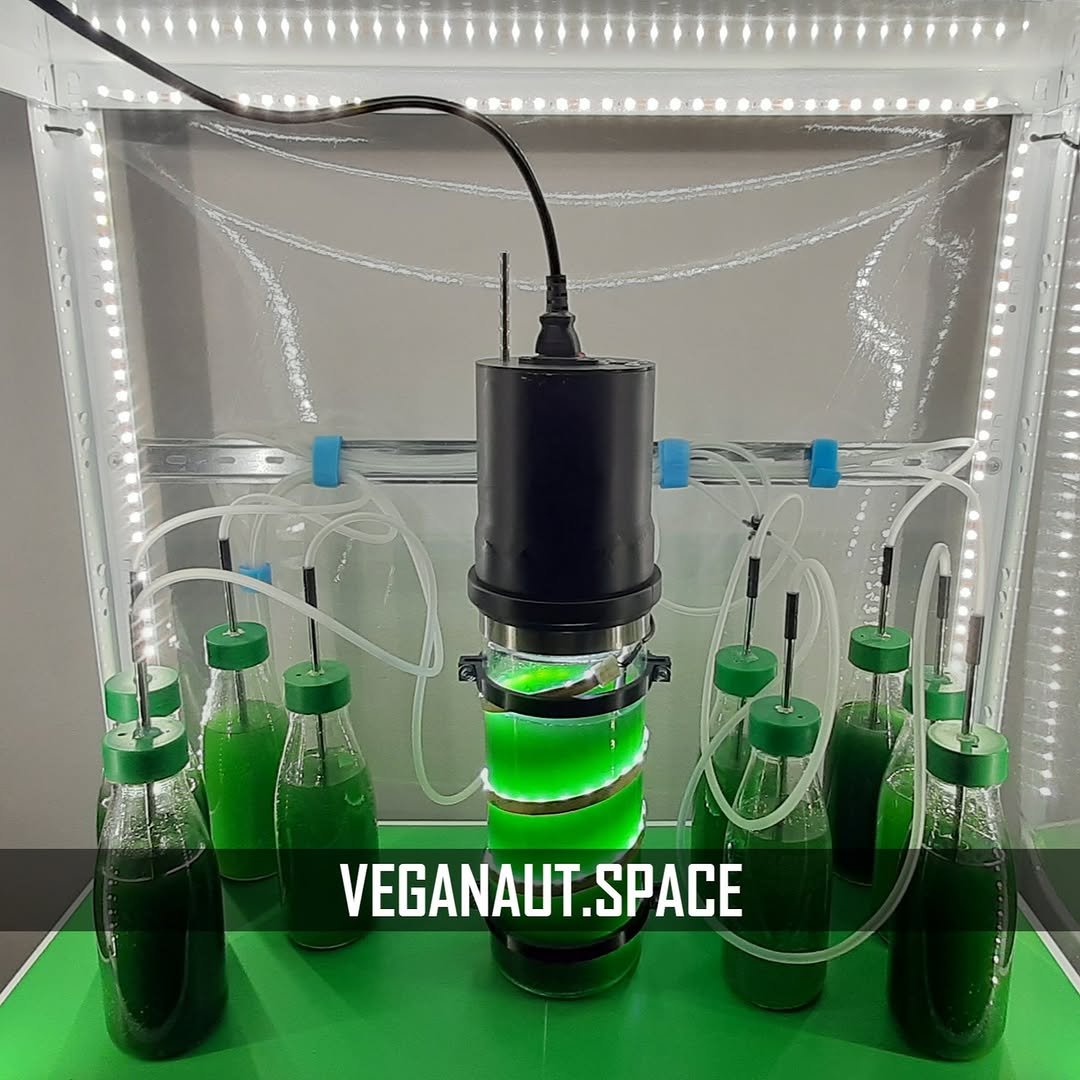
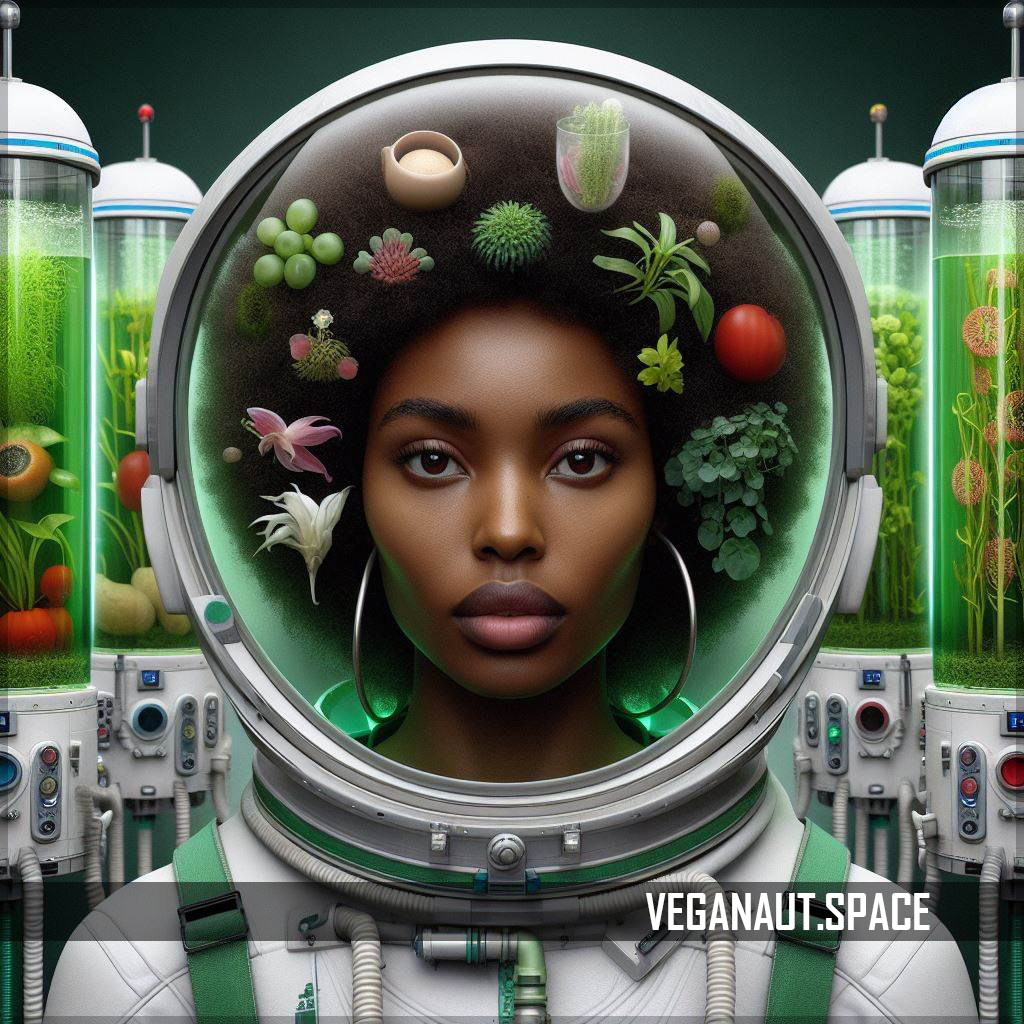
Moreover, plant-based diets align seamlessly with the development of future biological life support systems, which are essential for long-duration space missions and Mars settlement. These closed-loop environmental systems aim to create self-sustaining ecosystems where waste products are recycled and reused to support plant growth and human habitation. By incorporating plant-based diets into these systems, astronauts can utilize the byproducts of plant cultivation to nourish both themselves and the ecosystem, fostering a harmonious relationship between humans and their environment in space.
Research conducted with all-vegan analog astronaut crews plays a crucial role in advancing our understanding of the dietary requirements and nutritional needs of astronauts in space. By studying the physiological and psychological effects of plant-based diets in simulated space environments, scientists can develop tailored dietary protocols that optimize health, performance, and well-being during space missions. Additionally, innovative closed-loop environmental systems can be tested and refined to create self-sustaining ecosystems capable of supporting plant growth and human life in the harsh conditions of space and Mars.
In conclusion, the importance of a plant-based diet for future space missions and Mars settlement cannot be overstated. By embracing plant-based diets, space agencies can optimize resources, support the development of closed-loop environmental systems, and ensure the health and well-being of astronauts during extended space missions. Through research with all-vegan analog astronaut crews and the development of innovative environmental technologies, humanity can pave the way for sustainable space exploration and the colonization of Mars.